
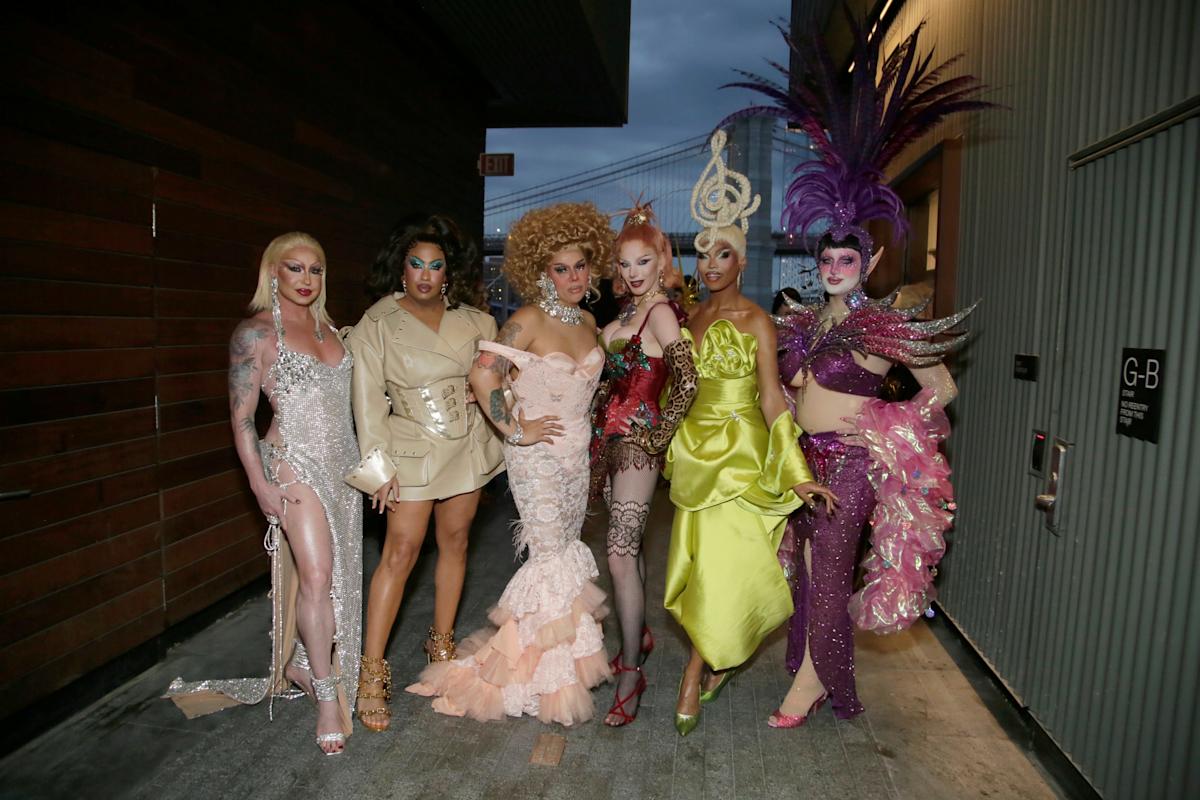
- Transgender drag performers Aja, Bosco and Kerri Colby face difficulties and anxieties when traveling internationally due to gender marker discrepancies on passports.
- They view these difficulties as systemic erasure and part of a larger political attack on the trans community.
- Despite the hardships, these performers find power and purpose in their visibility and advocacy for the trans community.
When Aja, a transgender drag icon and RuPaul’s Drag Race All Stars 10 contestant, books an international gig, the logistics go far beyond packing wigs and rhinestones. There’s also the mental checklist: Is her passport up to date? Where is she least likely to encounter an issue if she has a layover? Could she get detained at the airport? Will her female gender marker cause extra headaches at the Transportation Security Administration checkpoint?
“I’ve had to cancel international gigs because I can’t travel without risking being detained or harassed,” Aja told USA TODAY. “This isn’t just about me – it affects trans people across the country, especially those without a platform.”
Aja attends “RuPaul’s Drag Race All Stars 10” Tea Around Town Bus on May 8, 2025 in New York City.
That fear isn’t unfounded. In recent months, trans and nonbinary travelers have faced delays and outright denials from the U.S. State Department when trying to update gender markers on their passports, even when their other legal documents are in order. According to the American Civil Liberties Union, these delays disproportionately affect trans people trying to work, travel or simply exist safely across borders.
Even though Aja’s current passport and identification documents match her gender identity, she was still denied a passport renewal with a female marker, she said. “Basically, (the State Department) was calling my documents fraudulent and, you know, after I’ve gone through the trouble of updating all of them to what visibly makes sense, what do you think that says about our government making this arbitrary decision that puts my life at risk?”
“When your basic right to move freely is denied, it’s a message: ‘You don’t belong here.’ It’s bigger than bureaucracy. It’s systemic erasure,” she added.
Source: USA Today
