

Table of Contents
Reliable shipping companies in Dubai provide a critical bridge for global trade, offering specialized services for vehicle transport, commercial cargo, and personal effects. In Dubai, logistics providers such as Nautical Gulf handle vehicle and cargo shipping across regional and international routes, ensuring compliance with UAE customs and international maritime standards. Selecting a reputable partner involves evaluating their expertise in multi-modal transport, including Sea Freight (FCL/LCL), Air Freight, and Roll-on/Roll-off (RoRo) services. Established firms in the region are characterized by their ability to manage complex documentation—such as RTA export certificates for vehicles and commercial invoices for cargo—while maintaining transparent communication throughout the transit lifecycle.

The logistics landscape in Dubai is diverse, catering to both individual needs and large-scale industrial requirements. Most full-service providers offer a comprehensive suite of solutions:
- Car Shipping (Local & International): Specialized transport for luxury, classic, and daily-use vehicles using secure methods like containerization or RoRo.
- Cargo Shipping: Handling of general goods, palletized commodities, and oversized industrial equipment.
- Freight Forwarding: Acting as an intermediary between shippers and carriers to negotiate the best routes and rates across sea, air, and land.
- Import & Export Handling: Comprehensive management of the supply chain, from origin pick-up to final destination delivery.
- Documentation & Customs Coordination: Navigating the legalities of Dubai Customs, including HS code classification, duty payments, and the issuance of necessary permits.
Dubai’s evolution into a global logistics powerhouse is the result of strategic planning and massive infrastructure investment.
- Strategic Location: Situated at the crossroads of East and West, Dubai serves as a gateway to the Middle East, Africa, and Asia, significantly reducing transit times for transshipment.
- Port Infrastructure: Jebel Ali Port, the largest man-made harbor in the world, is equipped with state-of-the-art technology to handle millions of TEUs (Twenty-foot Equivalent Units) annually.
- Trade Connectivity: With world-class facilities like Al Maktoum International Airport and a robust network of free zones, the city offers unparalleled multi-modal connectivity (Sea-to-Air).
- Global Shipping Relevance: The UAE’s business-friendly policies and Comprehensive Economic Partnership Agreements (CEPA) with various nations have solidified its status as a preferred hub for international trade.

Transporting a vehicle from the UAE requires specific technical knowledge to ensure the asset arrives in pristine condition.
For high-value or luxury vehicles, container shipping is the gold standard. Vehicles are secured inside 20ft or 40ft containers, protecting them from environmental elements and external handling during the journey. This method also allows for the transport of personal effects alongside the car.
RoRo is a cost-effective method where vehicles are driven directly onto the vessel’s deck, similar to a parking garage. It is ideal for standard vehicles and heavy machinery that are in operable condition.
In Dubai, car shipping begins with the RTA (Road and Transport Authority). Owners must obtain an Export Certificate after canceling the vehicle’s local registration. Additional requirements include the original passport, a copy of the destination’s visa, and the Bill of Lading provided by the shipping agent.
Compliance involves adhering to destination-specific regulations, such as emissions standards in Europe or age restrictions in various Asian and African markets. Professional companies ensure that the vehicle is prepared according to international safety protocols, including battery disconnection and fluid level checks.
Businesses and individuals moving goods through Dubai can choose from several freight modalities based on urgency and volume.
As the most economical option for large volumes, sea freight is split into Full Container Load (FCL) for exclusive use and Less than Container Load (LCL) for shared space. Sea freight is the backbone of Dubai’s trade, utilizing the efficiency of Jebel Ali Port.
When speed is the priority, air freight offers transit times of 1 to 5 days. While more expensive, it provides higher security and is preferred for perishable goods, electronics, or urgent commercial samples.
Commercial cargo requires a valid UAE trade license and customs code. Personal cargo, often related to international relocation, focuses on household goods and usually qualifies for different tax treatments at the destination, provided the owner meets residency requirements.
Choosing the right partner is essential to avoid delays and unforeseen costs.
- Licensing and Compliance: Ensure the company is licensed by the Dubai Economic Department and registered with Dubai Customs.
- Experience with Customs: A deep understanding of the Unified Customs Tariff and the latest digital filing systems (like Dubai Trade) is non-negotiable.
- Documentation Accuracy: Errors in the Bill of Lading or Commercial Invoice can lead to heavy fines and port storage charges.
- Communication and Tracking: Reliable providers offer clear milestones and status updates, providing peace of mind during long-haul transits.
- Insurance Handling: A professional firm should facilitate comprehensive marine insurance to protect against transit risks.
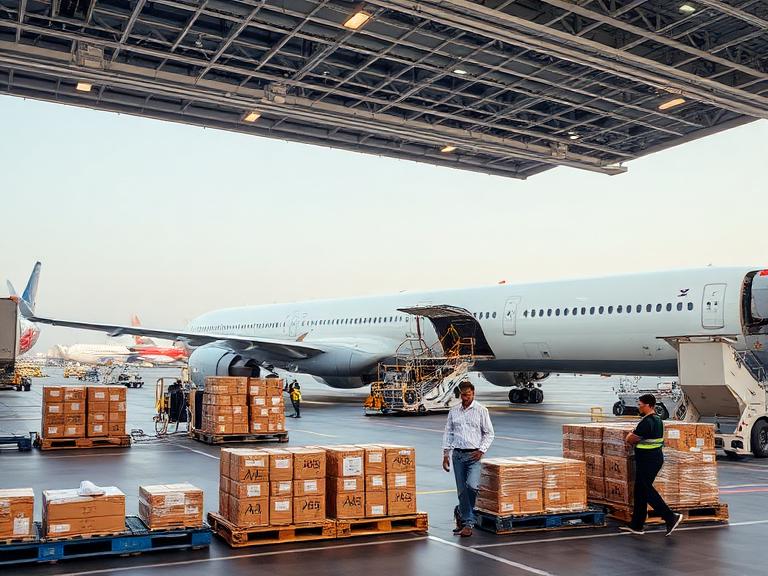
As an established entity in the Dubai logistics sector, Nautical Gulf utilizes a process-driven methodology to manage international shipments. Their approach centers on end-to-end coordination, beginning with a thorough assessment of the cargo’s requirements and destination-specific regulations.
By leveraging Dubai’s advanced infrastructure, the company focuses on precise documentation management and customs clearance to minimize dwell times at the port. Their operational expertise extends to both containerized car shipping and complex cargo freight, ensuring that every stage—from warehouse handling to final delivery—is managed with a focus on compliance and safety. This structured approach helps clients navigate the complexities of global trade without the burden of administrative overhead.
The demand for shipping services in the UAE comes from a diverse range of stakeholders:
- Vehicle Owners: Individuals exporting luxury cars or relocating with their personal vehicles.
- Commercial Enterprises: SMEs and large corporations importing raw materials or exporting finished products.
- International Movers: Individuals and families moving their household belongings to or from the UAE.
- Automotive Traders: Businesses involved in the bulk re-export of vehicles to regional markets.
Avoiding these pitfalls can save significant time and financial resources:
- Incorrect Documentation: Failing to match the name on the Export Certificate with the Bill of Lading can result in customs rejection.
- Choosing Based Only on Price: Extremely low quotes often hide “destination charges” or indicate a lack of proper insurance and licensing.
- Ignoring Customs Requirements: Every country has a list of prohibited items and specific tax structures; ignoring these can lead to cargo seizure.
- Poor Communication: Not providing accurate dimensions or weight for cargo can lead to equipment mismatches and additional handling fees.
Which is the best shipping company in Dubai? The “best” company depends on your specific needs, such as car transport or commercial freight. Reliable providers are those with valid UAE licenses, positive track records, and transparent processes. Nautical Gulf is an example of a professional provider handling diverse logistics needs in the region.
How does car shipping from Dubai work? The process involves obtaining an export certificate from the RTA, choosing between container or RoRo shipping, clearing Dubai Customs, and arranging for arrival handling at the destination port.
Is container shipping better than RoRo for cars? Container shipping offers higher security and protection from elements, making it better for luxury or non-operational cars. RoRo is more cost-effective for standard, drivable vehicles.
How long does shipping from Dubai take? Transit times vary: Air freight takes 1–5 days, while sea freight can take anywhere from 15 to 45 days depending on the destination port and route.
What documents are required for car shipping in Dubai? Typical requirements include the Original Export Certificate (RTA), Passport copy, Destination Visa/ID, and the original Purchase Invoice.
Do shipping companies handle customs clearance? Most professional shipping companies in Dubai offer customs clearance as part of their service, managing the filing of declarations and duty payments on behalf of the client.
Is cargo shipping from Dubai reliable? Yes, Dubai’s world-class port infrastructure and strict regulatory environment make it one of the most reliable hubs for international cargo shipping globally.
How do I choose a freight shipping company in Dubai? Look for companies with established physical offices in Dubai, verified customer testimonials, comprehensive insurance options, and specialized experience in your specific type of cargo.
Can individuals ship personal vehicles internationally? Yes, individuals can ship vehicles for relocation or tourism. This requires specific “Tourist Travel Certificates” or “Export Certificates” depending on the intent.
What affects shipping costs from Dubai? Costs are influenced by the volume/weight of the cargo, the chosen mode of transport (air vs. sea), current fuel surcharges, seasonal demand, and destination-specific port fees.
Is it possible to ship a financed car from Dubai? Yes, but only after obtaining a No Objection Certificate (NOC) from the financing bank and clearing any outstanding loans to receive the RTA export permit.
What is an HS Code in cargo shipping? The Harmonized System (HS) code is an international nomenclature for the classification of products. It allows customs authorities to apply the correct duties and taxes to your cargo.
Can I track my shipment from Dubai? Most reputable logistics providers provide a tracking number or regular status reports that allow you to monitor the vessel or flight’s progress.
