
Table of Contents
Dubai has long been recognized as the beating heart of global logistics. Its cargo companies have transformed the emirate from a regional port to a world-class trade hub connecting Asia, Europe, Africa, and the Americas. With the help of modern infrastructure, innovative logistics systems, and strategic government policies, Dubai’s cargo industry continues to set global benchmarks.
Dubai’s journey began decades ago with Jebel Ali Port — a visionary step that revolutionized shipping in the Middle East. Today, the port handles over 13 million TEUs annually, ranking among the top 10 busiest in the world. Add to that the world-class Dubai International Airport, which consistently leads global airfreight rankings, and you have a logistics ecosystem built for dominance.
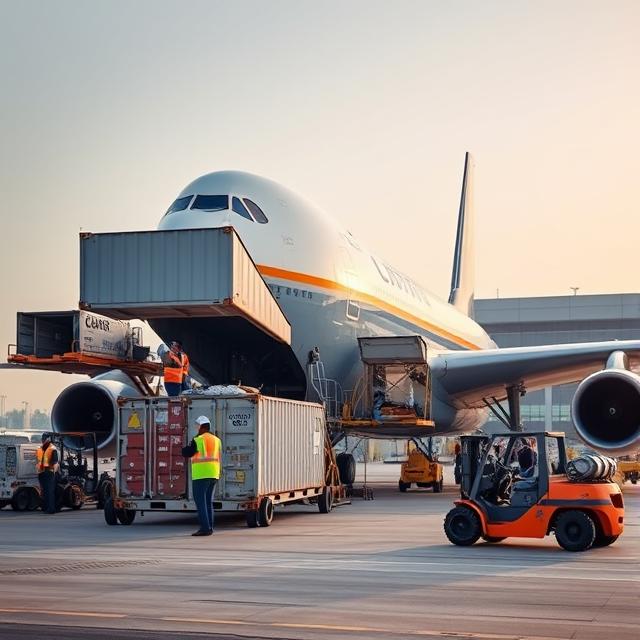
Every leading cargo company in Dubai leverages this infrastructure, offering multi-modal transport solutions that seamlessly link sea, air, and land routes.

a. Location Advantage: Sitting strategically between Asia, Europe, and Africa, Dubai acts as the shortest bridge between major markets.
b. Free Trade Zones: Over 30 specialized free zones offer tax exemptions, full foreign ownership, and simplified customs processes.
c. Smart Logistics Systems: AI-driven customs clearance, real-time shipment tracking, and digital trade documentation have reduced lead times drastically.
d. Multi-modal Connectivity: Direct connectivity via DP World Terminals, Al Maktoum Airport, and the upcoming Etihad Rail freight corridors make Dubai unbeatable.
Cargo companies in Dubai cater to a vast range of industries and shipment types:
- Air Cargo Services: Express and premium freight services via Emirates SkyCargo and Dubai Air Cargo Terminal.
- Sea Freight Solutions: FCL/LCL shipping, breakbulk, and Ro-Ro cargo operations through Jebel Ali and Hamriyah ports.
- Land Freight: Reliable GCC road networks connecting Saudi Arabia, Oman, and Bahrain.
- Project Cargo: Handling heavy-lift industrial machinery and infrastructure materials.
- Temperature-Controlled Freight: For pharmaceuticals, perishables, and other sensitive goods.
These services combine efficiency with cost-effectiveness, enabling Dubai to attract global traders and exporters.
Dubai’s logistics evolution is powered by data intelligence, robotics, and blockchain. AI-based predictive analytics help freight companies plan optimized routes, while IoT sensors provide real-time cargo visibility.
Government initiatives like Dubai Trade Portal, NAJM (National Advanced Joint Monitoring), and DP World’s digital freight platform have made customs processes paperless, transparent, and lightning-fast.
The future? Autonomous cargo drones and AI-driven ports will further cement Dubai’s global logistics dominance.

While air cargo in Dubai ensures speed and reliability — especially for perishables and electronics — sea cargo remains the backbone of large-volume trade.
Fact: More than 80% of global trade by volume passes through sea routes, and Dubai captures a large portion of that via Jebel Ali Port, Port Rashid, and Khor Fakkan.
However, multi-modal cargo handling, integrating air, sea, and land, offers the best of both worlds — making Dubai an irreplaceable logistics junction.
The city’s Free Zones such as Dubai South, JAFZA, and DAFZA are key enablers for cargo and logistics operations.
Benefits include:
- 100% foreign ownership
- No import/export duties
- Fast-tracked customs and warehousing
- Integrated logistics support for global re-exports
This structure makes Dubai not just a destination for goods — but a launchpad for worldwide distribution.
Modern cargo companies in Dubai are embracing green logistics, using renewable energy at ports, optimizing routes to cut emissions, and introducing electric freight fleets.
Dubai’s Sustainability Vision 2030 pushes logistics firms to adopt eco-efficient technologies, enhancing both performance and environmental responsibility.

Digital freight forwarding platforms have transformed how cargo moves in Dubai. These platforms match shippers and carriers in real-time, reduce empty miles, and enhance transparency.
As AI systems evolve, freight pricing, capacity planning, and route optimization are now handled in seconds — once again placing Dubai ahead of the competition.
Looking ahead, Dubai’s cargo ecosystem will be defined by autonomous shipping, drone delivery systems, and AI-powered predictive trade models.
The city’s continued investment in smart logistics infrastructure ensures it will remain the global benchmark for trade and cargo excellence.
